




What is an Accessory Dwelling Unit?

June 5, 2025

Share this article

They go by different names depending on the region: accessory apartment, in-law suite or in-law apartment, granny flat, second unit or secondary suite, and are also known as ohana units in Hawaii and casitas in the Southwest.

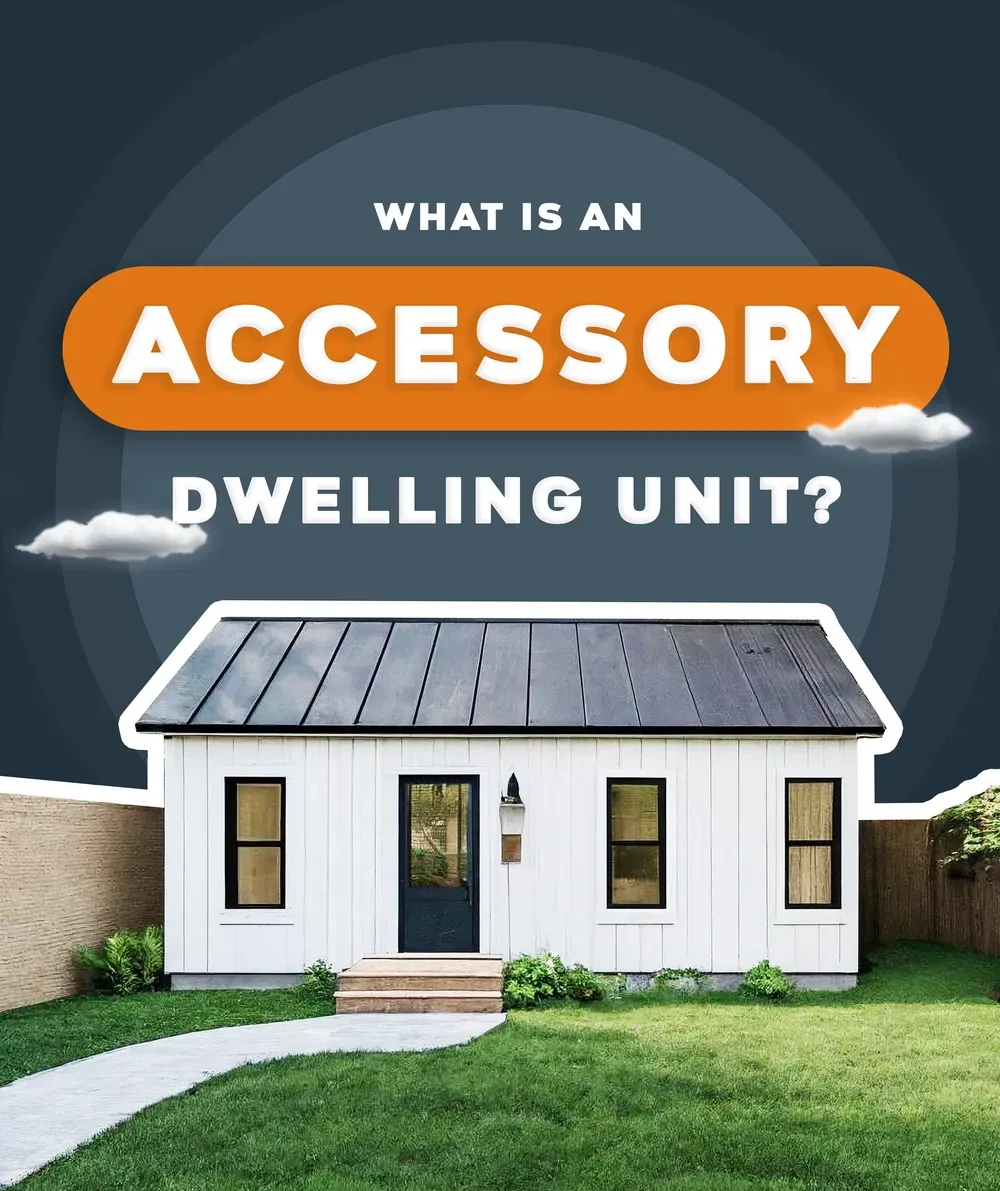
Regardless of what they're called, an accessory dwelling unit, also known as an ADU, is an additional living quarters on single-family lots that is independent of the primary dwelling unit, according to the U.S. Department of Housing and Urban Development. The separate living spaces are equipped with kitchen and bathroom facilities, and can be either attached or detached from the main residence.


ADUs have been steadily gaining popularity due to their flexibility. They’re originally designed to provide convenient and private housing to family members as they age. But these suites have evolved outside of this more traditional purpose and are now being used to provide housing for younger family members as they save for their place, or to help the homeowner generate passive rental income.


Read on to know more about accessory dwelling units, see their variety of uses, and key considerations if you’re looking to add one to your property.

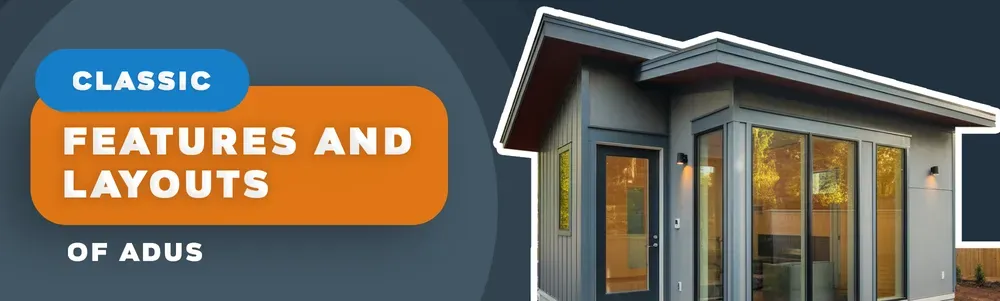
The classic ADU or in-law suite is a self-contained space that offers both proximity and privacy. At the very least, it includes:


  • A separate entrance
  • A bedroom or sleeping area
  • A full bathroom
  • Others may also include a kitchenette or even a full kitchen, and a living room
  • Attached - An ADU that is connected to the main house or part of the primary residence but is designed to be an independent living space. This unit usually has a separate entrance on the side or back of the house. Attached additions typically require less space than their freestanding counterparts and are less expensive to build.


  • Detached - A detached in-law suite is often a smaller, standalone structure built on the same property as the primary residence. It offers more privacy than an attached suite so it's more desirable for a rental unit.


  • Interior ADU or a converted existing space - This type of ADU is a separate unit located inside the main house. It can be an existing area that’s been converted or modified to create a separate living space, such as a basement or an attic, but may feature a separate entrance.

An ADU is a versatile feature that can serve many purposes. Here are some uses to consider:


Home office
- It could be the perfect place if you're looking to work from home or want to have a dedicated office for your small business.


Guest quarters
- Suitable accommodation for out-of-town guests or relatives, so you both can have a little privacy even while staying within your property.


Residence for adult children or aging parents
- Multigenerational living is on the rise due to the rising costs of homeownership. Since ADUs are flexible living spaces, it’s a great way for families to function together as a whole unit while maintaining each other’s independence and privacy. Adult children who are still establishing themselves financially can use it as a tiny home. Likewise, it can also be a permanent and practical dwelling for aging parents or relatives, especially for young families who want a home-share situation.


Rental unit
- Since many ADUs can be considered as fully equipped apartments, they make ideal rentals. Renting it out for an extended period, or even for shorter terms through apps like Airbnb or VRBO, can help you recover the expense of building the unit and could potentially help you pay your mortgage. 

1. Local building codes and zoning laws

Before dreaming about having an in-law suite, research local zoning laws first, as every locality has different rules regarding lot size, accessory dwelling units, and parking, among others. To find the laws specific to your property, go to the zoning office with your lot and block number to find out if having such a suite on your property is permitted. Even homeowners' associations may have stipulations when it comes to an in-law suite and its use.

If you're looking to have an ADU for income generation, there may be additional permits or inspection requirements for rental compliance, and it’s important to look into that before you start the process.


2. Purpose

Determine who will use it and what the purpose of your in-law suite is, so you can decide on which features are most important. If the space is to be used by aging parents, you may want accessibility features like wider doorways, ramps, or grab bars. If it’s for your small business or home office, you may need to think about the layout that will work best for you and your needs.


3. Utilities and infrastructure

ADUs often use the same utilities as the primary residence, which is why it’s crucial to ensure the existing gas and water lines and electric lines can handle the additional living space.


4. Budget and financing

While in-law suites are generally smaller and can be less of an undertaking than other living spaces, don’t forget that it may still be a significant financial investment. Make sure to explore your budget and financing options ahead of the project. There are several options you can consider, such as home equity loans, construction financing, and cash-out financing.


The Bottom Line

With its flexibility and multiple benefits, in-law suites or ADUs have the potential to meet the wants and needs of anyone who needs a little extra space.

Recent Posts

January 20, 2026
Let's be honest: this habit might feel slightly annoying. What do you mean you have to squeegee your shower after every use? But it’s actually the best trick to remove water and soap residue straight away. It’s a small practice with a huge payoff, as it helps prevent watermarks, soap scum, hard water stains, and minerals from building up. This helps keep your shower cleaner for longer and reduces the need for frequent deep cleans. Regular squeegeeing also reduces moisture in a damp environment, helping to prevent mold and mildew.

January 6, 2026
New year, fresh possibilities. And if you're a homeowner considering selling, you might be surprised to learn that the start of the year is also an ideal time to list. Listing your home at the beginning of the year can give you a competitive edge, get ahead of the market, and attract serious buyers—all of which can potentially lead to a faster, smoother sale.

December 3, 2025
Once you have the frequently used areas unpacked, you can then move on to tackle the less important rooms, such the garage, basement, patio or balcony, guest bedrooms, and other utility areas.  For the garage, prioritize any tools and materials you'll need to keep your home functional. Items for the patio, deck, or balcony can be set up at your leisure, depending on the season you’ve moved. For instance, if you’ve relocated in the summer, it’s a good idea to set up the barbecue grill fairly early so you can have an extra space to cook. If you work from home, setting up your home office is definitely a priority. If your new home has a mudroom and you’ve relocated in the fall or winter, consider dealing with it as soon as possible so that people can easily remove their shoes and coats before coming into the house.

November 24, 2025
In this approach, instead of outright accepting and extending the closing day date, you are adding conditions like daily fees, increased earnest money, or cost coverage to protect your finances. This keeps the deal alive without putting you at a disadvantage. A ‘per diem' penalty What it is: You’re granting the buyer an extension, but with the contingency of a per diem penalty. A per diem penalty is a fee charged to the buyer, both for the inconvenience of delaying the closing and to help cover the additional mortgage, tax, insurance, and utility payments the seller needs to make as a result of the postponed date. The per diem penalty usually adds up to one-thirtieth of your monthly housing expenses. Pros: It covers your extra costs brought about by the delayed closing. Cons: It could be risky if the buyer is already financially strapped. They may walk away from the deal, so be flexible and open to negotiations. Best for: Sellers who are impacted by the extra costs after the closing date is extended.  Adding a ‘Time is of the essence’ clause What it is: Unfortunately, there's no limit on the number of times a buyer can ask for an extension on the closing date. In this case, you can give the buyer one last chance and grant an extension that includes a “time of the essence” clause. With this clause, both you and the buyer decide on a hard closing date, and if the buyer doesn't meet this deadline, the seller can walk away from the sale. Pros: This contingency creates urgency for buyers, setting you to close by a certain date before your patience reaches the end of its rope. Cons: If the buyer doesn’t meet its hard deadline, the deal may fall through. Best for: Sellers who are willing to offer one last chance for an extension
November 17, 2025
Another reason buyers might want to delay closing is that they are having trouble closing on their current home. If they're relying on proceeds from their home sale to finance their new purchase or make a down payment, they might need to ask for an extension.
October 24, 2025
Lastly, another red flag to look out for during an inspection is signs of termites, mice, carpenter ants, and other pests around the home. These pests are not only annoying but can eventually cause structural damage, deterioration, and health risks. Warning signs to look out for: Chewed vents, gnaw marks, droppings, or nests Wood that produces a hollow sound when tapped Mud tubes running from the foundation to the walls Crumbling and soft areas of wood near the foundation and attic Home inspection reports indicating termite infestation should ring a bell, as these pests may be tiny but can inflict serious damage on property structures. And exterminating them is just the first step. Termite damage repair expenses can range from $3,000 to $4,000 on average, depending on the extent of the damage. How to handle home inspection red flags When your inspection report reveals major problems and other potentially concerning issues in the home you're looking to buy, don’t fear, as you still have several options. The best thing to do is to consult licensed professionals for supplementary assessments and get help from your real estate agent to navigate the next steps. Then you can: Negotiate with the seller to pay for repairs, especially for those safety hazards; or Request a price reduction to cover repair costs. Walk away from the deal if the issues are too severe or overwhelming for you.  While no home is perfect, understanding these red flags can help you make an informed decision about which issues are manageable for you, and which could be absolute deal-breakers. These may all depend on your timeline, financial situation, and risk tolerance.
October 5, 2025
Make the most out of this season by creating a warm and inviting home. Because let's be honest, if there is one thing that truly resonates with fall, it is coziness. So add in some throw pillows, blankets, table runners, and rugs in fall-inspired hues and patterns to provide warmth and texture to your space. Showcase seasonal cookbooks and decorations on any open shelves. Decorate your entryway, porch, and fireplace with fall items such as pumpkins, gourds, and colorful greenery. Using wallpaper or backsplash in warm, earthy tones is also a nice touch. Materials needed: Soft textiles (blankets, rugs, cushions, pillows, drapes, etc), wicker baskets, wood accents, books and magazines, pumpkins and other greenery Average cost: Budget throws and pillows range from $10–25, but you can adjust the cost based on what you need
September 15, 2025
Photos, videos, and virtual tours—these are all great ways to showcase your house to buyers when selling. However, there's nothing like physically stepping into the home and seeing the condition of the space with your own eyes. This is where showings come in. In this blog, we’ll explore the role of showings and delve into one of the most pressing questions you might have as a seller: how many showings does it take to sell? We’ll break down the average number of showings it takes before receiving a competitive offer, as well as the crucial factors that influence this figure. 
August 30, 2025
Saying that shopping for a home can be overwhelming is an understatement. You must consider various factors, including location, neighborhood, layout, number of bedrooms and bathrooms, and even school districts. Not to mention that you need to evaluate essential features such as storage, amenities, or even finishes on the newly renovated kitchen. But savvy home buyers know that some of the most important things to check are the ones you don't admire at first glance, such as the age of the roof, the stability of the foundation, or, in this case, the condition of the home’s HVAC system.
July 27, 2025
From properly storing your valuables to securing your home against theft, take note of these simple yet effective tips to protect your space, your sanity, and your biggest investment to avoid costly repairs later on. 
Show More