







7 Huge Signs It's Time To Sell Your House

March 2, 2025

Share this article

Your home isn't simply one of your biggest investments. More than just a physical shelter, it’s a space where precious memories are made. But as much as you love your home, there will always come a time when you feel like it’s time to move.

According to the National Association of Realtors® 2024 Profile of Home Buyers and Sellers, the median number of years a seller owned their home was ten. Some of the most commonly cited reasons for selling are that the house is either too small or too large or that the neighborhood is becoming less desirable.


While there are a variety of reasons, selling a home is undoubtedly a huge decision — one that will make you reassess your current situation. Maybe it's something you’ve been considering for a long time as you scrutinize the most recent property listings and daydream about a new house. If you’re still on the fence about selling, here’s a look at seven telltale signs that it’s time to sell your house.

Financial reasons:

Home equity, in simpler terms, is the difference between how much your home is worth and the amount you owe on your mortgage. Knowing how much equity you have in your home is usually the first step if you are considering selling, as sufficient equity may increase your chances of leaving the sale with a decent profit. 


The best way to calculate home equity is to subtract the value of your home from the loan balance. So, how much equity should you have before you sell your house? You want to at least have enough equity to pay off your current mortgage. And if you can make enough profit to cover the 20 percent down payment on your next home so you can avoid paying private mortgage insurance, plus enough to cover closing costs and other moving expenses, then even better.

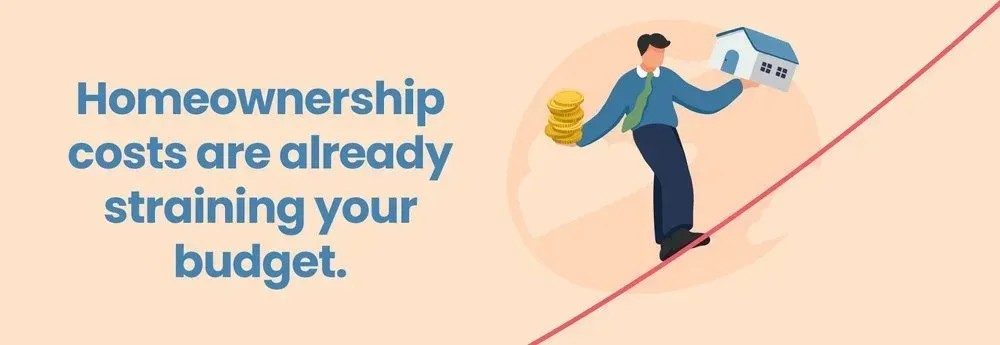
Aside from your monthly mortgage costs, if you find that rising property taxes, homeowners insurance, and maintenance costs are starting to become unmanageable and have been straining your budget, the next resource may be to sell and find a more affordable home. Selling your home to ease your mortgage burden is a better route than risking foreclosure, especially if you underestimated your housing costs.

Lifestyle changes:

Changes in your needs and lifestyle can make you rethink your space. If you have a growing family, what might have been a good size when you first moved into the house might no longer be the case. Outgrowing your home is an indicator that you need to upsize, especially if you're already in a situation where your kids are crammed into a bedroom or your aging parents need to move in with you. The next logical step is to consider selling your home and buying a bigger one to accommodate this new chapter in your life.


On the other hand, you might need to downsize if your children have all grown up and moved out. It’s a simple solution that will not only lessen your maintenance and upkeep costs but also help you save money that can be used for retirement or other investments.


Certain life events, such as death, illness, divorce, or relocation for a new job, can also be significant factors that may warrant a need for a change.

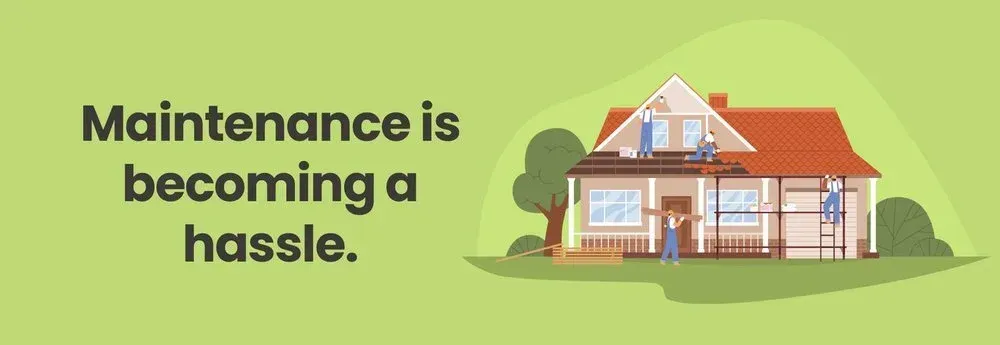
Maintenance is one of the most significant responsibilities associated with homeownership. However, scheduled services such as landscaping, house cleaning, pest prevention, trash removal and recycling, septic service, and even tree or snow removal often come with a hefty price tag, particularly when getting the help of a professional. According to Homeguide, in 2024, the average home maintenance costs range from $4,000 to $22,000 per year, although the cost depends on the home's age, size, location, features, and condition.


If the energy or expenses of keeping up with your home’s maintenance is starting to feel more trouble than it’s worth, you may want to consider selling and instead buying a lower-maintenance real estate, such as a condo or new construction.

Neighborhood and market factors:

Seeing your beloved neighborhood change as time passes by can have its pros and cons. While changes are to be expected, it can be saddening if your neighborhood changes so much that it already affects your quality of life or displeases you, especially if you've lived in it for a long time. Issues like rising crime rates, unwanted construction, or increased traffic congestion can make you want to relocate. It can also be disheartening to see your closest neighbors move out one by one. These factors are good enough reasons to sell your home and find another neighborhood that will best suit your needs and lifestyle.

When deciding whether it's time to list your home for sale, the state of the property market can also be part of the equation. In a strong seller’s market, homes generally sell faster for a higher price since the housing demand exceeds supply. Competition among buyers might be higher when your home goes on the market, which means you can probably sell your house for more money and have plenty of offers to choose from.


While it goes without saying that you’d prefer to sell your home when the market is good, ‘timing the market’ shouldn’t be your top priority and should only be one factor.

Personal readiness:

Last but not least on this list, you'd want to ensure that you are emotionally ready to sell. The process of selling can be an emotional roller coaster. Are you ready to let go of your personal attachment to the home? Aside from the need to declutter and prepare the home for sale, you also need to prepare yourself for any kind of adverse feedback you may receive from potential buyers. Even if the numbers are all saying that it’s time to sell, your psychological preparedness matters as much, so give yourself time.


On the flip side, maybe you already have the next logical step and have the means to do so. Having a solid plan of what comes next makes you ready to move out and leave your beloved place to venture into something new.


Bottom line

Don't get us wrong—the decision to sell your house is still up to you, so take your time deciding if you should sell. Then, study the local housing market and find a trusted and knowledgeable real estate agent in your area so you can be completely ready when you do decide to move.

Recent Posts

January 20, 2026
Let's be honest: this habit might feel slightly annoying. What do you mean you have to squeegee your shower after every use? But it’s actually the best trick to remove water and soap residue straight away. It’s a small practice with a huge payoff, as it helps prevent watermarks, soap scum, hard water stains, and minerals from building up. This helps keep your shower cleaner for longer and reduces the need for frequent deep cleans. Regular squeegeeing also reduces moisture in a damp environment, helping to prevent mold and mildew.

January 6, 2026
New year, fresh possibilities. And if you're a homeowner considering selling, you might be surprised to learn that the start of the year is also an ideal time to list. Listing your home at the beginning of the year can give you a competitive edge, get ahead of the market, and attract serious buyers—all of which can potentially lead to a faster, smoother sale.

December 3, 2025
Once you have the frequently used areas unpacked, you can then move on to tackle the less important rooms, such the garage, basement, patio or balcony, guest bedrooms, and other utility areas.  For the garage, prioritize any tools and materials you'll need to keep your home functional. Items for the patio, deck, or balcony can be set up at your leisure, depending on the season you’ve moved. For instance, if you’ve relocated in the summer, it’s a good idea to set up the barbecue grill fairly early so you can have an extra space to cook. If you work from home, setting up your home office is definitely a priority. If your new home has a mudroom and you’ve relocated in the fall or winter, consider dealing with it as soon as possible so that people can easily remove their shoes and coats before coming into the house.

November 24, 2025
In this approach, instead of outright accepting and extending the closing day date, you are adding conditions like daily fees, increased earnest money, or cost coverage to protect your finances. This keeps the deal alive without putting you at a disadvantage. A ‘per diem' penalty What it is: You’re granting the buyer an extension, but with the contingency of a per diem penalty. A per diem penalty is a fee charged to the buyer, both for the inconvenience of delaying the closing and to help cover the additional mortgage, tax, insurance, and utility payments the seller needs to make as a result of the postponed date. The per diem penalty usually adds up to one-thirtieth of your monthly housing expenses. Pros: It covers your extra costs brought about by the delayed closing. Cons: It could be risky if the buyer is already financially strapped. They may walk away from the deal, so be flexible and open to negotiations. Best for: Sellers who are impacted by the extra costs after the closing date is extended.  Adding a ‘Time is of the essence’ clause What it is: Unfortunately, there's no limit on the number of times a buyer can ask for an extension on the closing date. In this case, you can give the buyer one last chance and grant an extension that includes a “time of the essence” clause. With this clause, both you and the buyer decide on a hard closing date, and if the buyer doesn't meet this deadline, the seller can walk away from the sale. Pros: This contingency creates urgency for buyers, setting you to close by a certain date before your patience reaches the end of its rope. Cons: If the buyer doesn’t meet its hard deadline, the deal may fall through. Best for: Sellers who are willing to offer one last chance for an extension
November 17, 2025
Another reason buyers might want to delay closing is that they are having trouble closing on their current home. If they're relying on proceeds from their home sale to finance their new purchase or make a down payment, they might need to ask for an extension.
October 24, 2025
Lastly, another red flag to look out for during an inspection is signs of termites, mice, carpenter ants, and other pests around the home. These pests are not only annoying but can eventually cause structural damage, deterioration, and health risks. Warning signs to look out for: Chewed vents, gnaw marks, droppings, or nests Wood that produces a hollow sound when tapped Mud tubes running from the foundation to the walls Crumbling and soft areas of wood near the foundation and attic Home inspection reports indicating termite infestation should ring a bell, as these pests may be tiny but can inflict serious damage on property structures. And exterminating them is just the first step. Termite damage repair expenses can range from $3,000 to $4,000 on average, depending on the extent of the damage. How to handle home inspection red flags When your inspection report reveals major problems and other potentially concerning issues in the home you're looking to buy, don’t fear, as you still have several options. The best thing to do is to consult licensed professionals for supplementary assessments and get help from your real estate agent to navigate the next steps. Then you can: Negotiate with the seller to pay for repairs, especially for those safety hazards; or Request a price reduction to cover repair costs. Walk away from the deal if the issues are too severe or overwhelming for you.  While no home is perfect, understanding these red flags can help you make an informed decision about which issues are manageable for you, and which could be absolute deal-breakers. These may all depend on your timeline, financial situation, and risk tolerance.
October 5, 2025
Make the most out of this season by creating a warm and inviting home. Because let's be honest, if there is one thing that truly resonates with fall, it is coziness. So add in some throw pillows, blankets, table runners, and rugs in fall-inspired hues and patterns to provide warmth and texture to your space. Showcase seasonal cookbooks and decorations on any open shelves. Decorate your entryway, porch, and fireplace with fall items such as pumpkins, gourds, and colorful greenery. Using wallpaper or backsplash in warm, earthy tones is also a nice touch. Materials needed: Soft textiles (blankets, rugs, cushions, pillows, drapes, etc), wicker baskets, wood accents, books and magazines, pumpkins and other greenery Average cost: Budget throws and pillows range from $10–25, but you can adjust the cost based on what you need
September 15, 2025
Photos, videos, and virtual tours—these are all great ways to showcase your house to buyers when selling. However, there's nothing like physically stepping into the home and seeing the condition of the space with your own eyes. This is where showings come in. In this blog, we’ll explore the role of showings and delve into one of the most pressing questions you might have as a seller: how many showings does it take to sell? We’ll break down the average number of showings it takes before receiving a competitive offer, as well as the crucial factors that influence this figure. 
August 30, 2025
Saying that shopping for a home can be overwhelming is an understatement. You must consider various factors, including location, neighborhood, layout, number of bedrooms and bathrooms, and even school districts. Not to mention that you need to evaluate essential features such as storage, amenities, or even finishes on the newly renovated kitchen. But savvy home buyers know that some of the most important things to check are the ones you don't admire at first glance, such as the age of the roof, the stability of the foundation, or, in this case, the condition of the home’s HVAC system.
July 27, 2025
From properly storing your valuables to securing your home against theft, take note of these simple yet effective tips to protect your space, your sanity, and your biggest investment to avoid costly repairs later on. 
Show More